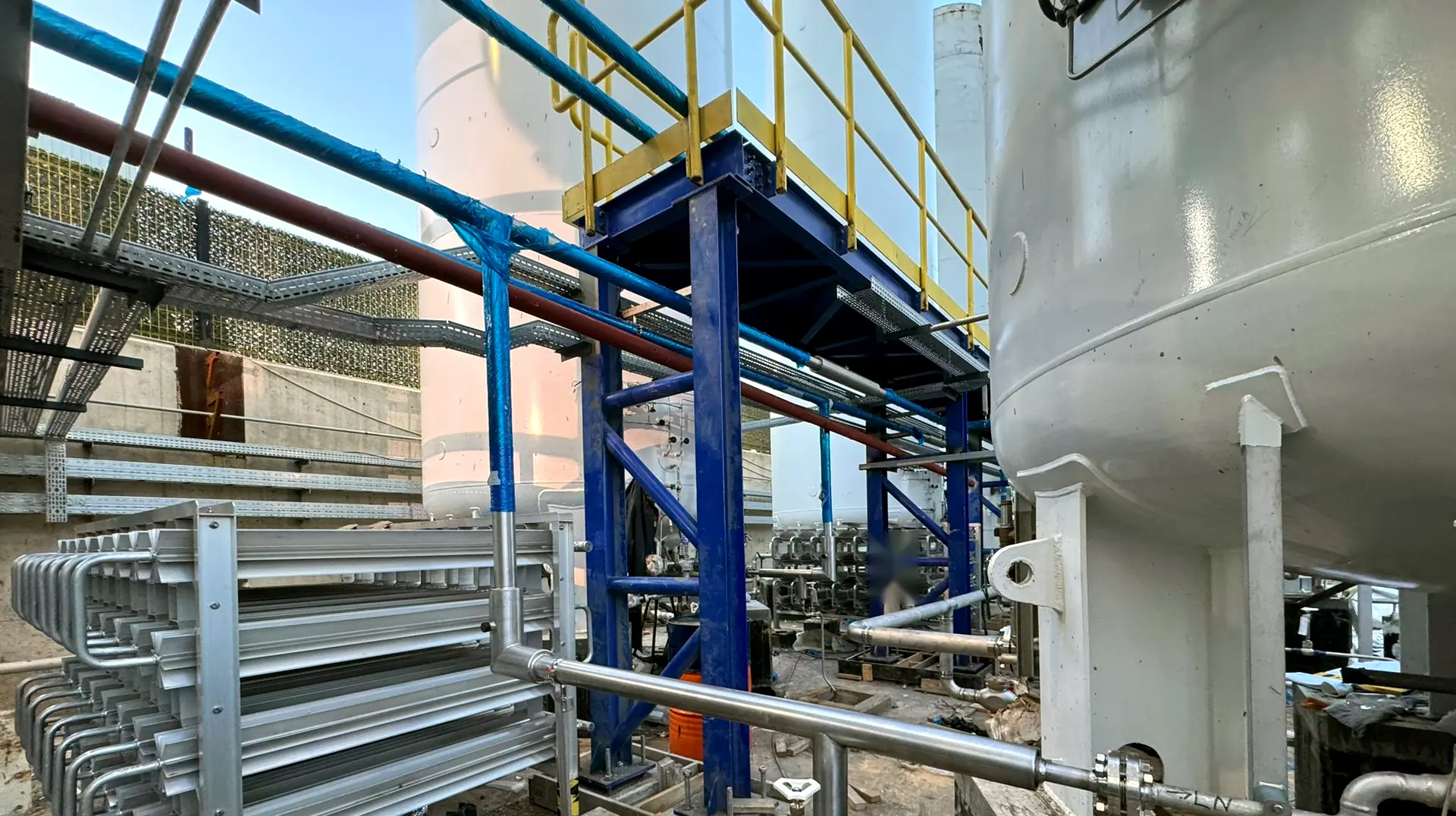
Corrosion Under Insulation (CUI): Early Warning Signs and Inspection Methods
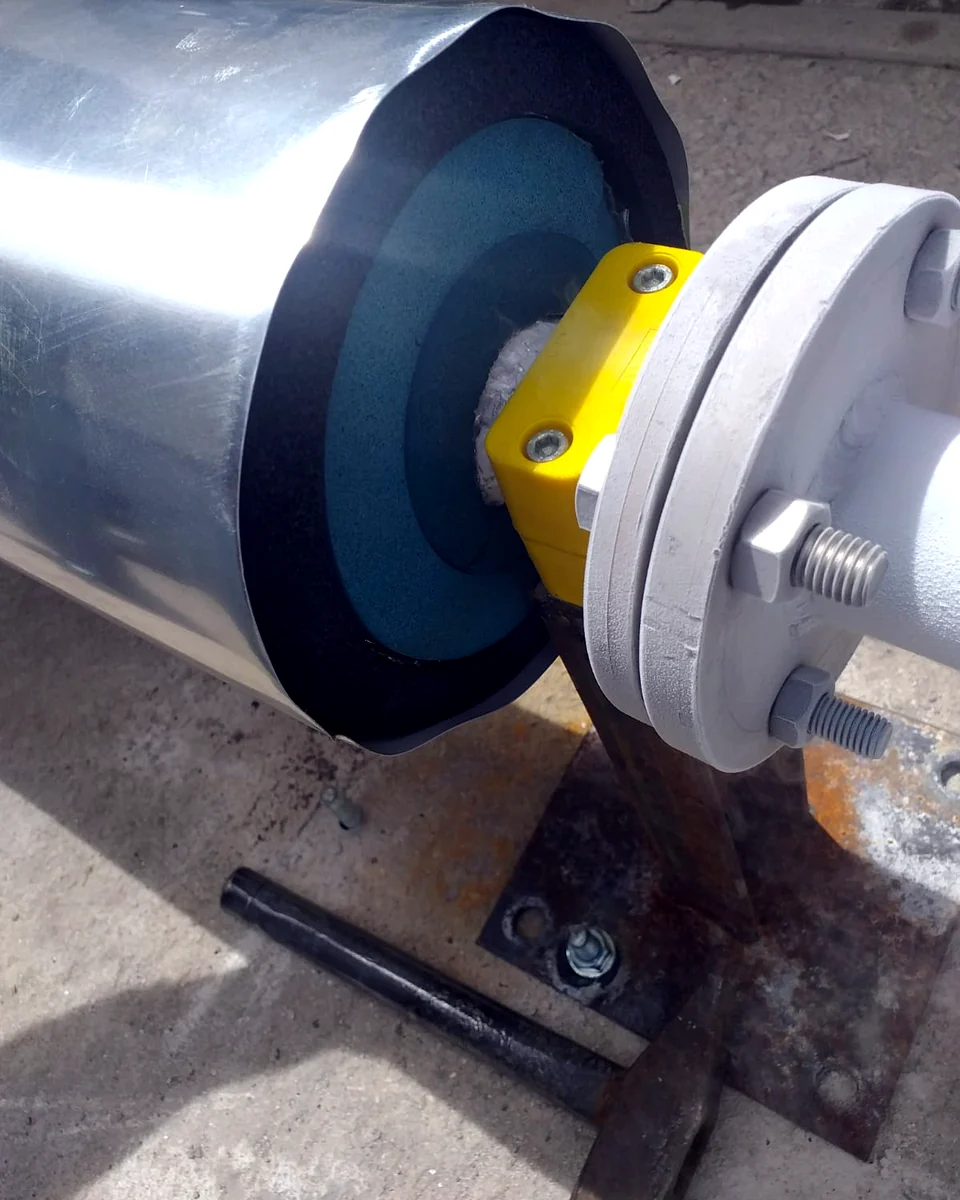
Corrosion Under Insulation (CUI): Early Warning Signs and Inspection Methods
Corrosion under insulation (CUI) is the corrosion of a metal surface hidden behind the insulation and cladding of insulated pipes, tanks and equipment. What makes it dangerous is that the damage often goes unnoticed from the outside until it is well advanced. This article summarises why CUI occurs, which signs in the field give early warning, and which methods are used in inspection programmes.
Why does CUI occur?
The basic mechanism is simple: water gets into the insulation and stays in contact with the metal surface for long periods. The source may be rain, wash-down water, condensation or a process leak. Damaged cladding (jacketing), open joints, gaps around valves and flanges, supports and pipe hangers are the most common entry points. If the insulation material holds water, the surface stays wet and corrosion accelerates.
Temperature is a decisive factor. Industry guidance (e.g. API RP 583 and AMPP SP0198) identifies roughly −12 °C to 175 °C as the CUI risk range for carbon steel. Lines that operate continuously in this range, or cycle through it frequently during start-ups and shutdowns, are especially vulnerable. For austenitic stainless steel, chlorides leached from insulation can cause external stress corrosion cracking (ESCC) at roughly 50–175 °C.
Early warning signs in the field
- Dented or torn cladding, opened overlaps, missing or degraded sealant
- Rust staining and discolouration at the lower edges of cladding, at supports or around flanges
- Swollen, sagging or displaced insulation; wet or heavy insulation
- Persistent sweating, icing or dripping on cold lines
- Unexpected hot or cold spots along a line on thermal images
- Repeated cladding repairs at the same location in maintenance records
None of these signs proves corrosion on its own, but they are strong indicators for setting inspection priorities.
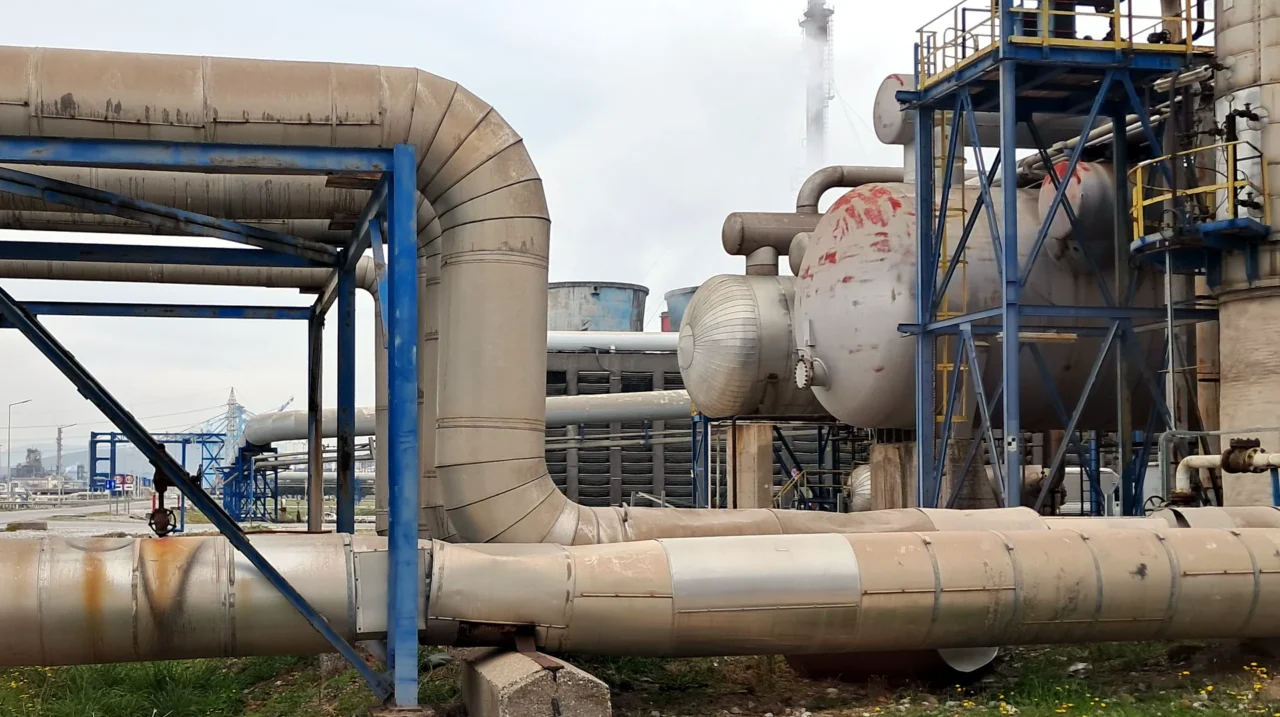
Inspection methods
CUI inspection is usually risk-based: first the lines and locations at risk are identified, then they are examined step by step with suitable methods.
- Visual inspection and recording: Systematic mapping of cladding and sealing condition. The broadest and lowest-cost first step.
- Thermography: Wet insulation conducts heat differently and can be detected with a thermal camera. It indicates suspected moisture, not corrosion itself.
- Moisture detection (e.g. neutron backscatter): Locates wet areas without removing insulation.
- Profile and real-time radiography: Images wall loss and surface profile through the insulation.
- Pulsed eddy current (PEC): Gives information on average wall thickness without removing insulation or cladding.
- Long-range ultrasonics (guided wave): Screens long sections of line from a single point and flags suspect areas.
- Insulation removal at selected points: Opening the insulation at suspect locations for direct examination and ultrasonic thickness measurement. Often needed for a definitive result.
No single method is sufficient. Screening methods are typically used to narrow down suspect areas, which are then verified by opening the insulation.
Prevention: design and installation details
The most effective way to fight CUI is to stop water from entering the insulation and staying there:
- A protective coating on the metal surface suited to the operating temperature
- Non-wicking, hydrophobic insulation materials, and low-chloride materials for stainless steel surfaces
- Correct overlap direction, sealing and drainage details in the cladding
- Removable insulation jackets on valves, flanges and frequently maintained equipment, so they can be opened without damaging the system
- Inspection ports planned from the start
How Cryonos can help
Cryonos designs, specifies and installs insulation systems for petrochemical, energy and industrial facilities. For site surveys of existing insulation, refurbishment and removable jacket applications, see our Insulation and Engineering page; for the material families we use, see Insulation Materials. To understand the economic side of CUI, read our article on the cost of corrosion under insulation.
Planning an assessment of the insulated lines at your facility? Contact us and our team will prepare a roadmap suited to your site.